DIY Guide to Unclogging Your Catalytic Converter (and When Not To)
Is your car's performance sluggish, fuel economy tanking, and that dreaded check engine light staring you down? A clogged catalytic converter could very well be the culprit. While professional repair is often the best solution, understanding the causes and symptoms of a clogged converter can help you decide if a DIY fix is even possible. This guide explores the ins and outs of dealing with a potentially clogged catalytic converter, offering insights on DIY solutions, but more importantly, highlighting when seeking professional help is absolutely crucial to avoid further damage.
All About Catalytic Converters and Clogging
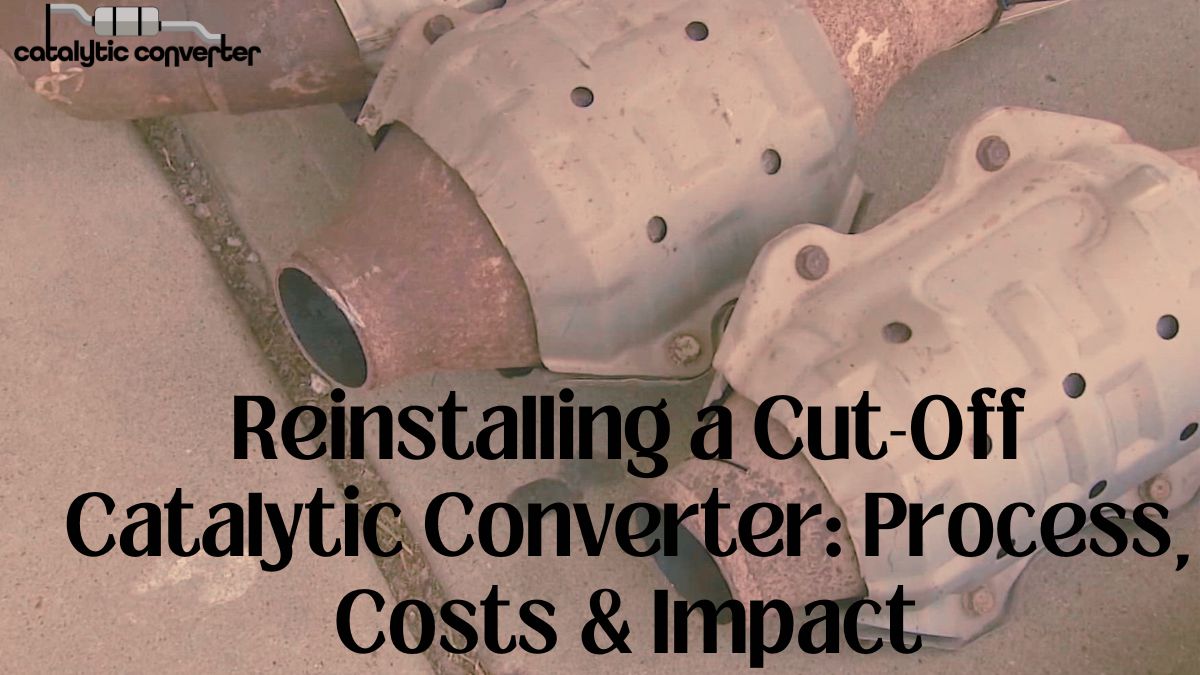
A catalytic converter is a vital component of your vehicle's exhaust system, designed to reduce harmful emissions like hydrocarbons, carbon monoxide, and nitrogen oxides into less harmful substances. Think of it as the environmental filter for your car. Inside, precious metals like platinum, palladium, and rhodium act as catalysts, speeding up chemical reactions that break down pollutants.
Over time, these converters can become clogged. The most common cause isexcessive carbon buildupdue to issues like: Old Age: Like any car part, they simply wear out and become less effective over time. Oil Leaks: Oil entering the combustion chamber gets burned and coats the catalyst, reducing its effectiveness. Coolant Leaks: Similar to oil, coolant can foul the catalyst material. Rich Fuel Mixture: An engine running too rich delivers excessive fuel, leading to unburnt hydrocarbons that can clog the converter. This is often linked to faulty oxygen sensors or fuel injectors. Physical Damage:Road debris can physically damage the converter, restricting airflow.
The catalytic converter was introduced in the mid-1970s to comply with stricter emission standards. Since then, improvements in design and materials have increased their lifespan, but the underlying technology remains similar. Modern converters are generally more efficient and robust, but still susceptible to the same issues as their predecessors. One key differentiating factor is the addition of diagnostic systems that can detect and alert the driver to converter problems.
Expert mechanics agree that proper engine maintenance is the single best way to prevent catalytic converter problems. Addressing issues like oil leaks, faulty sensors, and rich running conditions promptly can significantly extend the converter's lifespan.
Benefits of Addressing a Clogged Catalytic Converter
A functioning catalytic converter is essential for several reasons: Environmental Protection: It significantly reduces harmful emissions, contributing to cleaner air. Improved Performance: A clogged converter restricts exhaust flow, robbing your engine of power and responsiveness. Clearing it can restore performance. Better Fuel Economy: A restricted exhaust system forces the engine to work harder, leading to lower fuel efficiency. Prevention of Further Damage: Back pressure from a clogged converter can strain other engine components, potentially leading to more costly repairs. Avoiding Legal Issues:Operating a vehicle with a malfunctioning catalytic converter is illegal in many areas and can result in fines.
Consider a scenario where a driver ignores the early signs of a clogged converter (sluggish acceleration, poor fuel economy). Over time, the back pressure damages the exhaust manifold and causes overheating, leading to further damage to engine components and a costly repair bill. Conversely, addressing the problem early can save thousands in potential repairs. Studies show that a well-maintained exhaust system, including a properly functioning catalytic converter, can improve fuel economy by up to 10%.
DIY solutions, when appropriate, can offer a cost-effective way to address minor clogging issues. However, recognizing the limitations of these methods and knowing when to seek professional assistance is crucial to avoid exacerbating the problem.
How to (Potentially) Unclog Your Catalytic Converter (and When Not To)
Disclaimer:Attempting these DIY methods carries some risk. Always wear appropriate safety gear (eye protection, gloves, and a respirator) and work in a well-ventilated area. Disconnecting exhaust components can be challenging and may require specialized tools. If you are not comfortable performing these tasks, consult a qualified mechanic.
1. The "Italian Tune-Up" (Use with Caution)
This method involves driving the vehicle at a sustained high RPM for a short period. The increased exhaust temperature may help burn off some carbon deposits.
How To: Drive on the highway for 15-20 minutes at a speed where the engine is running at a relatively high RPM (around 3000-4000 RPM).
Best Practices: Ensure the engine is fully warmed up before attempting this. Avoid prolonged high-RPM driving, as it can stress the engine.
When NOT To:Do not attempt this if your car is old, poorly maintained, or has any pre-existing engine issues.This method can exacerbate problems in worn-out engines. Also, avoid if you live in a densely populated area where high-speed driving might be restricted.
2. Catalytic Converter Cleaners
These are chemical additives that you add to your fuel tank. They claim to clean the catalytic converter and other exhaust components as you drive.
How To: Follow the instructions on the product label. Typically, you add the cleaner to a full tank of gas.
Best Practices: Use reputable brands with good reviews. Be skeptical of overly aggressive claims.
When NOT To: These cleaners are generally more effective for preventing clogging than for resolving severe blockages.If your converter is severely clogged or damaged, a cleaner will likely not be effective.If you are unsure of the root cause of the problem, it is best to consult a professional.
3. Professional Cleaning (Often Recommended)
Some shops offer catalytic converter cleaning services. This typically involves using specialized equipment to flush the converter with a cleaning solution.
How To: Contact a reputable auto repair shop that offers catalytic converter cleaning.
Best Practices: Inquire about the specific cleaning process and the type of cleaning solution used.
When NOT To: Even professional cleaning might not salvage a severely damaged or aged converter.If the internal catalyst material is damaged or deteriorated, cleaning will only provide a temporary fix.
4. Physical Inspection (Before Any Cleaning)
Before attempting any cleaning method, perform a visual inspection of the catalytic converter.
How To: Carefully examine the converter for any signs of physical damage, such as dents, cracks, or rust.
Best Practices: Use a flashlight to get a good view of the converter's surface. Check for any loose or disconnected components.
When NOT To:If the converter is visibly damaged, cleaning is unlikely to be effective.A damaged converter will need to be replaced.
Tips Before Considering a DIY Catalytic Converter Solution
Before diving into DIY fixes, consider these crucial points: Diagnose the Root Cause: A clogged catalytic converter is often a symptom of another problem. Address underlying issues like oil leaks, faulty oxygen sensors, or engine misfiresbeforeattempting to unclog the converter. Otherwise, the problem will likely return quickly. Check for Error Codes: Use an OBD-II scanner to read any error codes. Codes related to oxygen sensors, fuel mixture, or engine misfires can provide valuable clues. Consider Professional Diagnosis: If you are unsure of the cause of the problem or the severity of the clogging, a professional diagnosis is always the best option. They can perform more thorough testing to pinpoint the issue. Know Your Limits: Working on exhaust systems can be challenging. If you are not comfortable with automotive repair, it is best to leave it to the professionals. Local Laws:Be aware of local emission regulations. Tampering with or removing a catalytic converter is illegal in many areas.
Ignoring these tips can lead to ineffective fixes, wasted time and money, and potentially more serious damage to your vehicle.
Common Issues and Solutions Related to Catalytic Converters
Check Engine Light (P0420 Code): This is the most common code associated with catalytic converter problems. However, it can also be triggered by other issues, such as faulty oxygen sensors.Solution: Get a professional diagnosis to determine the root cause. Reduced Engine Performance: A clogged converter can restrict exhaust flow, leading to sluggish acceleration and reduced power.Solution: Try a catalytic converter cleaner or consider professional cleaning. If the problem persists, replacement may be necessary. Poor Fuel Economy: A restricted exhaust system forces the engine to work harder, resulting in lower fuel efficiency.Solution: Address any underlying engine issues and consider cleaning or replacing the converter. Rattling Noise: This can indicate that the internal catalyst material has broken down.Solution: Replacement is usually necessary. Overheating:A severely clogged converter can cause excessive heat buildup in the exhaust system.Solution: Immediately address the clogging issue to prevent damage to other components.
Remember, addressing a clogged catalytic converter promptly can prevent further damage and improve your vehicle's performance, fuel economy, and emissions.
Conclusion
While DIY solutions for unclogging a catalytic converter might seem tempting, it's vital to approach them with caution and a healthy dose of skepticism. The "Italian Tune-Up" and catalytic converter cleaners can sometimes offer temporary relief, but they're often band-aids for underlying problems. Professional cleaning is a more robust option, but even it has limitations. Ultimately, the best approach involves a thorough diagnosis to identify the root cause of the clogging and a willingness to seek professional help when needed. By understanding the intricacies of catalytic converters and their role in your vehicle's performance, you can make informed decisions that protect your car and the environment. Remember, a properly functioning catalytic converter is an investment in both your vehicle's health and the air we breathe.
Post a Comment for "DIY Guide to Unclogging Your Catalytic Converter (and When Not To)"