Faulty Knock Sensor: Symptoms and Engine Performance
Is your car feeling a little sluggish, or maybe you're hearing some unusual noises? A faulty knock sensor might be to blame. This crucial component listens for engine knocking, protecting your engine from potentially catastrophic damage. Understanding the symptoms of a failing knock sensor and how it impacts engine performance is vital for maintaining your vehicle's health and efficiency. This guide will walk you through everything you need to know, from identifying the signs to understanding the potential consequences of ignoring the problem, ensuring your engine runs smoothly and powerfully.
All About Faulty Knock Sensors: Symptoms and Engine Performance
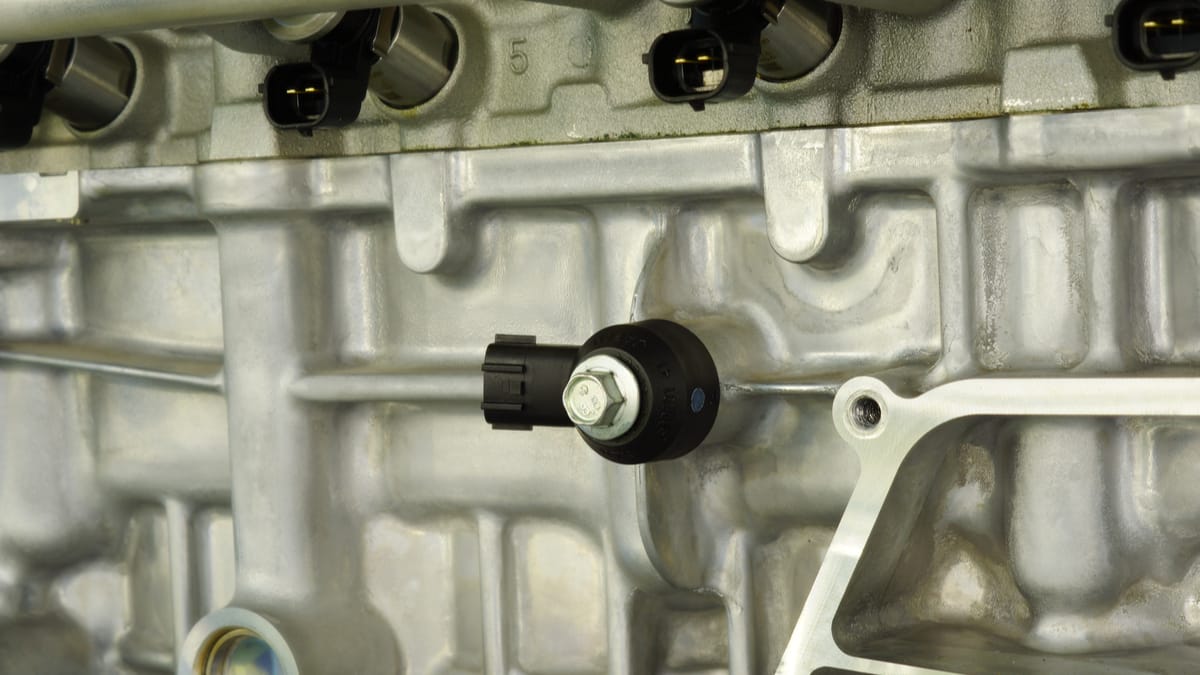
Aknock sensor, sometimes called a detonation sensor, is a small but mighty component bolted to your engine block. Its primary job is to detect engine knocking, also known as detonation or pinging. What is engine knocking? It’s essentially uncontrolled combustion of the air-fuel mixture in your cylinders, which can cause serious damage to your engine over time. The knock sensor is a piezoelectric device; it generates a voltage when it detects vibrations within a specific frequency range, the frequency associated with engine knock. This voltage signal is then sent to the engine control unit (ECU). The ECU, in turn, retards the ignition timing or adjusts the air-fuel ratio to eliminate or reduce the knocking. This prevents engine damage and ensures optimal performance.
Historically, knock sensors became more prevalent as engine designs evolved to use higher compression ratios and leaner air-fuel mixtures for improved fuel efficiency. These changes, however, made engines more susceptible to knocking. Early versions of knock sensors were relatively simple, but modern sensors are more sophisticated and can distinguish between different types of engine noise to accurately identify true knock.
What differentiates a knock sensor from other engine sensors? Itsspecific functionis to listen for and react to potentially damaging engine conditions. Other sensors, like oxygen sensors or temperature sensors, monitor different aspects of engine operation. The knock sensor is essentially a guardian, protecting the engine from itself. It's a critical component for modern engines, enabling them to operate at peak efficiency while minimizing the risk of damage. Experts and automotive engineers agree: a functioning knock sensor is essential for maintaining engine health and preventing costly repairs. Neglecting a faulty knock sensor can lead to severe engine problems, decreased fuel economy, and reduced overall vehicle performance.
Benefits of Addressing Faulty Knock Sensor: Symptoms and Engine Performance for Users
Ignoring the symptoms of a faulty knock sensor can have significant negative impacts on your vehicle. Addressing this issue promptly offers several key benefits. Firstly, it*protects your engine from serious damage. Engine knocking, if left unchecked, can lead to piston damage, rod bearing failure, and even complete engine failure. Replacing an engine is a major expense, so preventing this damage is paramount.
Secondly, fixing a faulty knock sensor can*improve your vehicle's fuel economy. When the ECU detects knocking, it retards the ignition timing. While this protects the engine, it also reduces its efficiency, leading to lower MPG. By replacing the sensor, you allow the ECU to operate the engine at its optimal settings, improving fuel efficiency. Consider a scenario where a driver notices a decrease in fuel economy by about 10%. Replacing the faulty knock sensor could potentially restore that lost fuel economy, resulting in significant savings over time.
Thirdly, a functioning knock sensorrestores engine performance. Retarded ignition timing not only reduces fuel economy but also decreases engine power. Replacing the knock sensor allows the engine to operate with optimal timing, restoring lost horsepower and torque. This translates to better acceleration and overall driving experience.
Compared to alternative technologies, such as relying solely on driver skill to avoid engine knocking (which is impractical), a knock sensor provides a consistent and automated solution. Older engines without knock sensors were more vulnerable to damage from varying fuel quality or driving conditions. Research data consistently shows that vehicles equipped with functional knock sensors experience fewer engine failures and better overall performance than those with faulty or missing sensors.
How to Address Faulty Knock Sensor:Symptoms and Engine Performance
While replacing a knock sensor is best left to a qualified mechanic, understanding the process can help you assess the situation and communicate effectively with the professional. Here's a simplified overview:
1. Diagnosis
The first step involves diagnosing whether the knock sensor is truly the problem. This often involves using an OBD-II scanner to check for diagnostic trouble codes (DTCs) related to the knock sensor. Common codes include P0325 (Knock Sensor 1 Circuit Malfunction) and related codes indicating issues with sensor voltage or signal.
2. Locating the Knock Sensor
The next step is locating the knock sensor. Typically, it's mounted on the engine block, but the exact location varies depending on the vehicle make and model. Consult your vehicle's repair manual for specific instructions. The sensor is usually a small, cylindrical device with a single wire connector.
3. Replacement
Once located, disconnect the electrical connector from the knock sensor. Use a wrench to remove the sensor from the engine block. Before installing the new sensor, clean the mounting surface on the engine block to ensure proper contact. Install the new sensor and tighten it to the manufacturer's specified torque. Overtightening can damage the sensor or the engine block. Finally, reconnect the electrical connector.
Tips Before Addressing Faulty Knock Sensor: Symptoms and Engine Performance
Before proceeding with any repair or replacement, ensure you have the correct replacement part for your vehicle. Knock sensors vary in design and specifications, so using the wrong one can cause further issues. Always consult your vehicle's parts catalog or a qualified mechanic to identify the correct sensor.
Avoid using excessive force when removing or installing the knock sensor. The sensor is relatively fragile, and the threads on the engine block can be easily damaged. Using penetrating oil can help loosen a stuck sensor.
Ignoring the torque specifications when installing the new sensor can have serious consequences. Undertightening can lead to poor contact and inaccurate readings, while overtightening can damage the sensor or the engine block. Always use a torque wrench and follow the manufacturer's recommendations. It's also advisable to disconnect the negative battery terminal before starting any electrical work on your vehicle to prevent accidental shorts or damage to the ECU.
Common Issues and Solutions Related to Faulty Knock Sensor: Symptoms and Engine Performance
One common issue is a broken or corroded electrical connector. This can prevent the sensor from sending a signal to the ECU, even if the sensor itself is functioning properly. Inspect the connector for any signs of damage or corrosion and clean or replace it as needed.
Another potential problem is damaged wiring between the sensor and the ECU. This can also disrupt the signal and trigger a fault code. Check the wiring for any signs of damage, such as frayed insulation or broken wires, and repair or replace it as needed.
Sometimes, the issue isn't the knock sensor itself, but rather an underlying engine problem that's causing excessive knocking. This could be due to issues such as incorrect ignition timing, carbon buildup in the cylinders, or low-octane fuel. Address these underlying issues first to eliminate the source of the knocking. Using higher-octane fuel can temporarily mask the symptoms, but it's important to address the root cause of the problem. A qualified mechanic can diagnose and repair these more complex engine issues.
Conclusion
A faulty knock sensor can significantly impact your engine's performance, fuel economy, and longevity. Recognizing the symptoms early and addressing the issue promptly can save you from costly repairs and ensure your vehicle runs smoothly for years to come. By understanding how this critical component functions and following the guidelines outlined above, you can take proactive steps to maintain your engine's health and optimize its performance. Remember, while DIY solutions are tempting, entrusting the diagnosis and repair to a qualified mechanic is often the best course of action for ensuring a safe and effective resolution. Protecting your engine with a properly functioning knock sensor is a smart investment that will pay off in the long run.
Post a Comment for "Faulty Knock Sensor: Symptoms and Engine Performance"